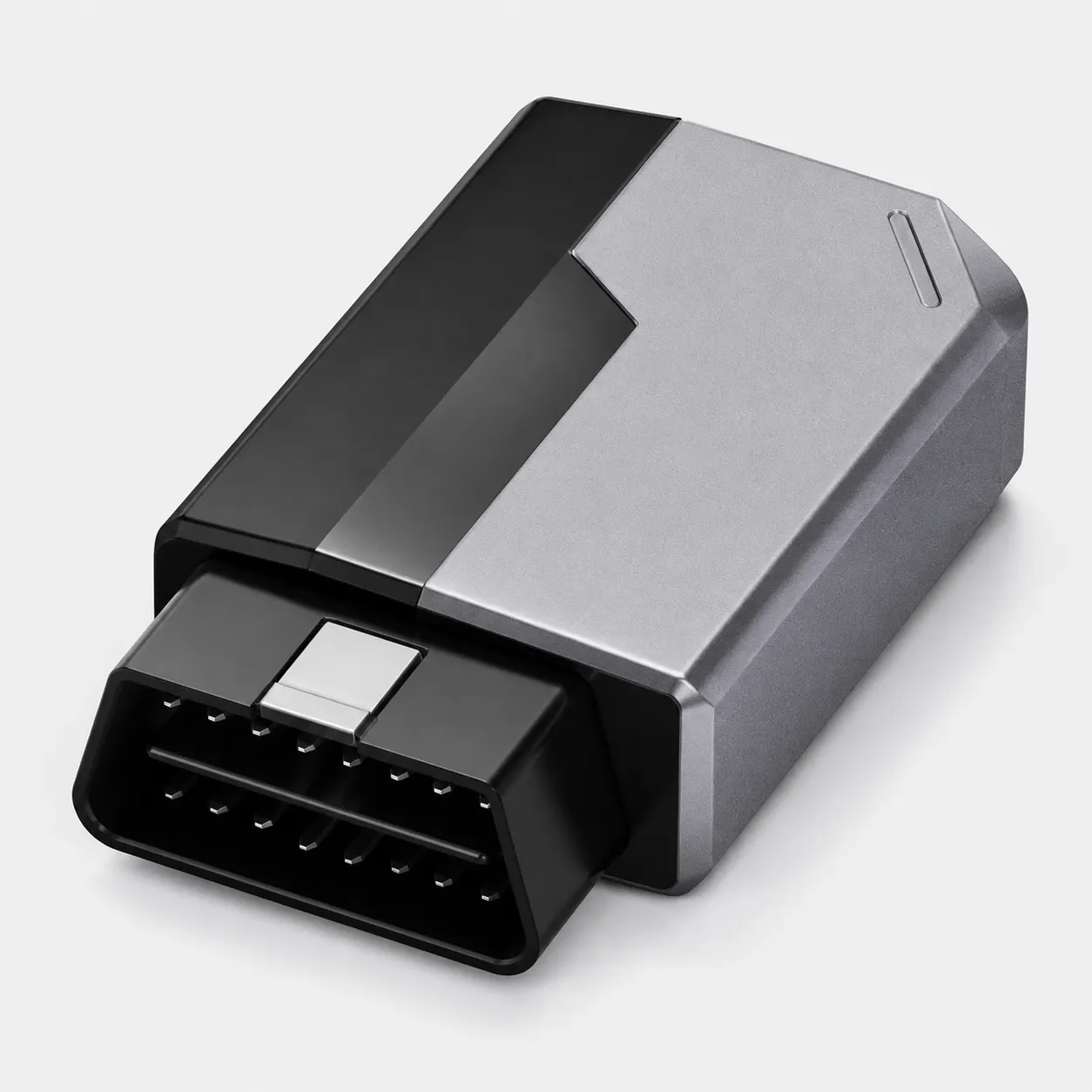
Decide First Whether The Birmingham Workshop Job Matches The Tool

If you are working out how to choose ediag elite, start with the documented job: the selected Ediag Elite configuration is listed as an automotive engine fault diagnostic tool with a 12 V operating voltage. That makes the first decision simple. It should only stay on your shortlist if your task is engine fault diagnosis in a vehicle environment where a 12 V tool is the right operating setup. If you need a different kind of workshop tester, a non-automotive diagnostic device, or a purchase bundle built around the separate Ediag Elite + Cable SKU, this listing is not the same thing.
A buyer in a small UK repair workshop usually needs less drama, not more promises. The practical aim is to reduce the chance of ordering a tool that looks right by name but is wrong by configuration. Treat the product title, the multilingual configuration note, the automotive engine fault diagnostic-tool format, and the 12 V operating voltage as the hard facts. Everything else should be checked before money changes hands, especially if your bench already has leads, adapters, vehicle routines, or staff habits that the new tool must fit around.
Check The Listed Configuration Before You Compare Prices
The frozen product facts say this is the Ediag Elite Multilingual Automotive Diagnostic Tool, and that the overseas multilingual configuration has been selected from a matrix. That wording matters because product names can be reused across close variants. When you compare this item with another page, quote, invoice line, or internal purchase note, compare the full configuration rather than just the words Ediag Elite. A short name alone is not enough to prove that two offers refer to the same purchase setup.
The separate Ediag Elite + Cable SKU is specifically not the selected purchase configuration. That is a useful boundary for anyone buying for a workshop, because cable bundles and accessory-led listings can change what arrives at the bench. Do not assume the cable SKU is included, equivalent, or interchangeable unless the actual product page you are buying from documents that. For this frozen article, the safe comparison is with the selected multilingual diagnostic-tool configuration only, not with a different bundle carrying a similar name.
Match The 12 V Requirement To Your Vehicle Bay
The clearest technical check in the supplied facts is the 12 V operating voltage. In a UK garage, that should be checked against the vehicles and power expectations involved in the job before purchase. If the engine fault checks you plan to run sit within a 12 V vehicle setup, the listed voltage is at least aligned with that stated condition. If your work involves a different electrical environment, the product facts here do not support stretching the tool into that role.
This is also where a buyer should avoid reading more into the listing than it says. The facts provided do not document vehicle make coverage, software functions, update process, connector details, supported protocols, screen size, battery arrangement, or workshop durability claims. That does not mean those things are absent; it means they are not available in the frozen facts for this article. A careful buyer should ask for or read the live product detail before treating the tool as a fit for a particular bay, brand mix, or diagnostic routine.
Use Multilingual Support As A Workflow Check, Not A Shortcut
The product is described as multilingual, which can be relevant in a UK workshop with staff who prefer different interface languages or who handle imported vehicle information. The useful way to treat that fact is as a workflow check. Ask who will actually use the diagnostic tool, which interface language they need, and whether multilingual operation reduces friction at the bench. A feature is only valuable if it helps the person using the tool make fewer mistakes and move through a job more clearly.
At the same time, multilingual wording should not be used as a substitute for compatibility checking. Language support does not confirm what vehicles, engine systems, data views, diagnostic functions, or accessories are included. It only tells you that the selected configuration is presented as multilingual. For a workshop owner, the sensible order is: first confirm the job is automotive engine fault diagnosis, then confirm the 12 V setup, then confirm the selected configuration, and only then consider whether multilingual operation makes the tool easier for your team to use.
Spot Mismatches Before The Packing Bench Order Goes Through
The main mismatch risk is buying by name rather than by documented facts. If someone in the workshop says “order the Ediag Elite”, that instruction still needs tightening. Which configuration? Is the order for the multilingual automotive diagnostic tool, or for another SKU? Is the buyer expecting a cable bundle when the selected purchase configuration is not the Ediag Elite + Cable SKU? These are ordinary purchasing errors, but they are costly because they are usually discovered only when the item is unpacked or assigned to a job.
There are also several buyers who should pause. Do not buy this solely on the assumption that it covers a specific vehicle make, provides a particular diagnostic function, includes a cable, or replaces a more specialised garage system, because those points are not documented in the supplied facts. Do not buy it for a non-12 V environment based on this article. Do not buy it because of review claims, lab-style testing claims, or certification language either; none of those are part of the public facts provided here.
Run This Purchase Checklist At The Workshop Desk
Use this sequence before ordering: confirm the task is automotive engine fault diagnosis; confirm the intended vehicle setup is suitable for a 12 V operating-voltage tool; confirm the listing title is Ediag Elite Multilingual Automotive Diagnostic Tool; confirm the selected configuration is the overseas multilingual configuration from the matrix; confirm you are not accidentally choosing the separate Ediag Elite + Cable SKU; confirm the displayed price is acceptable for the budget; confirm the VAT-included label, delivery wording, processing time, and return window on the page you are using.
That checklist is deliberately plain because it mirrors how mistakes happen in a real workshop. The person ordering may not be the technician who asked for the tool, and the person unpacking may not know which SKU was intended. Keeping the checks concrete helps everyone line up around the same facts: product format, voltage, configuration, and purchase terms. If any one of those points is unclear on the live page, treat it as a question to resolve before purchase rather than a detail to fix after delivery.
Compare The Buying Terms Without Turning Them Into Product Claims
The commerce facts supplied for this frozen page list a price of £80.12, VAT included, with Free UK Delivery. Processing is listed as 1–3 business days, with delivery listed as 2–4 business days after dispatch. A 30-day return window is also listed. These details help with planning a workshop purchase, especially if the tool is being bought for an upcoming job rather than as a general spare item on the shelf.
Keep those buying terms separate from the diagnostic decision. Free UK Delivery, VAT included pricing, and a return window can make a purchase easier to administer, but they do not prove the tool is right for a vehicle, a technician, or a fault-finding process. The product fit still rests on the documented tool facts: automotive engine fault diagnostic-tool format, 12 V operating voltage, and the selected multilingual configuration. The terms help you decide when and how to order, not whether the tool can do a specific undocumented task.
Make The Next Step A Specific Fit Check
The grounded next step is to write down the exact job you expect the tool to handle at your UK workplace. For example: engine fault checks at a Birmingham repair workshop on vehicles where a 12 V diagnostic-tool setup is appropriate. Then compare that sentence with the documented facts. If the wording matches, the Ediag Elite Multilingual Automotive Diagnostic Tool can remain under consideration. If you have to add assumptions about cables, vehicle coverage, advanced functions, or a different operating environment, the decision is not ready yet.
When the fit is clear, check the live product page for the same configuration and buying terms before ordering. Look for the exact product title, the multilingual configuration, the 12 V operating voltage, the VAT-included price, Free UK Delivery, processing time, delivery time after dispatch, and the 30-day return window. That gives you a clean purchase record and a practical way to brief the person who will receive or use the tool. The aim is not to buy the most impressive-sounding listing; it is to buy the documented setup that matches the job.